
 SuperAdmin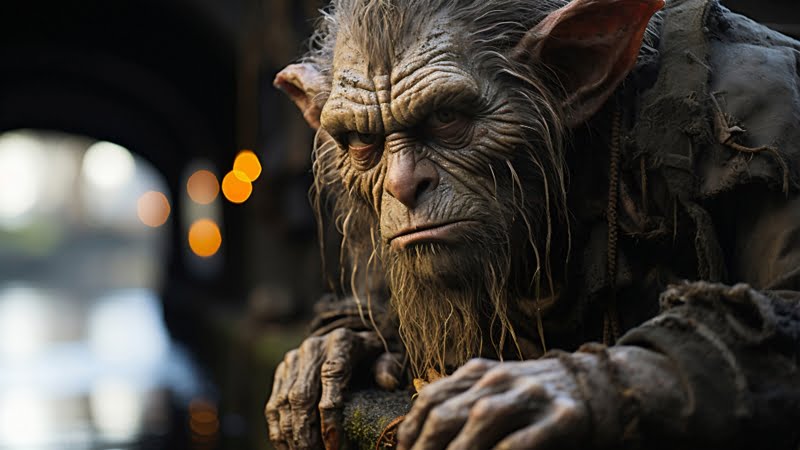
Surreal Creatures: Unveiling the Mystical Beings Beyond Imagination
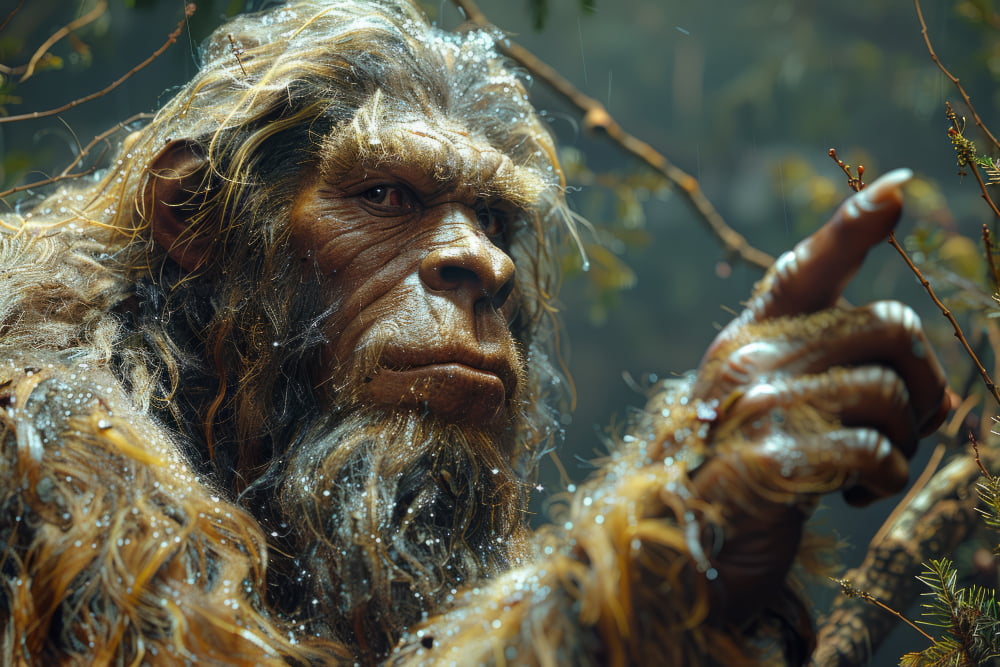
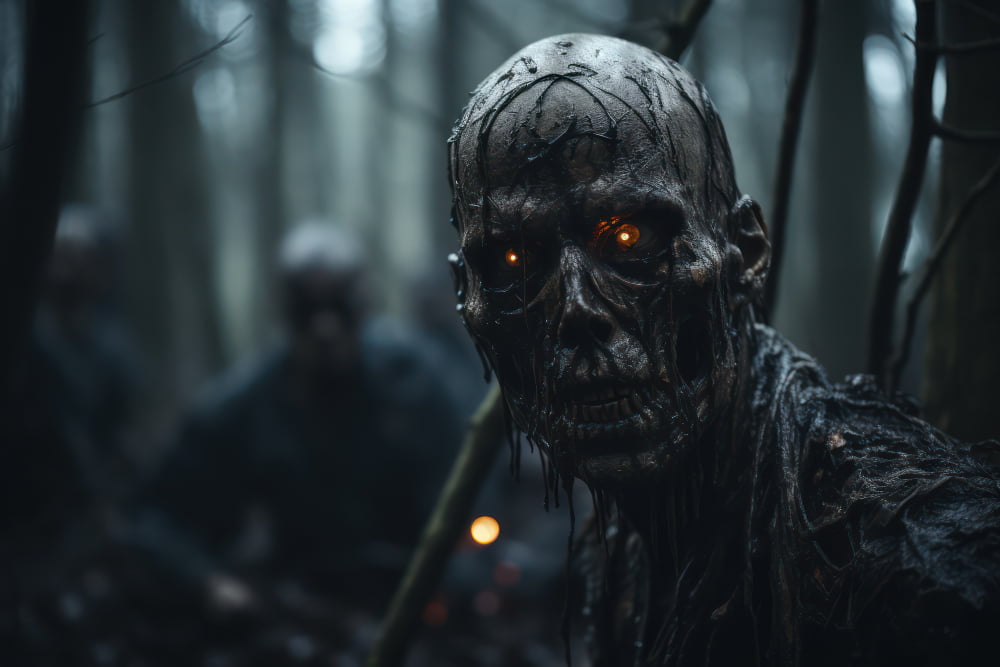
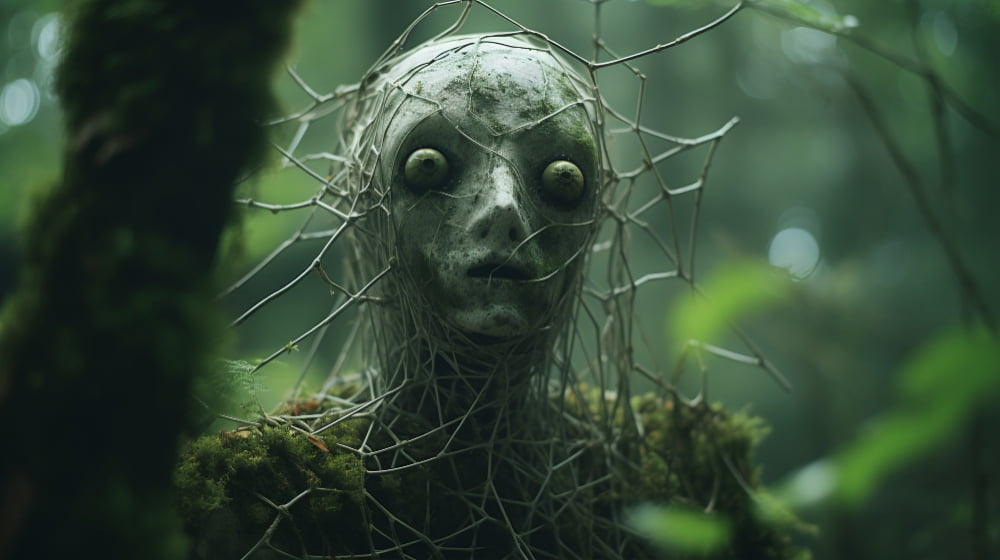
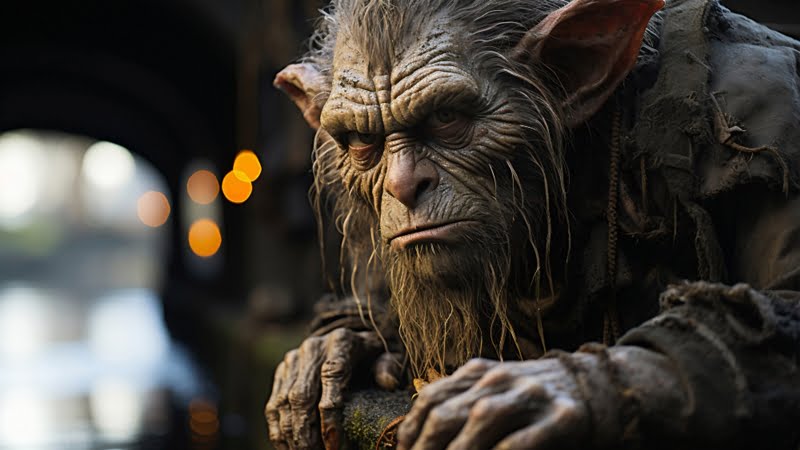
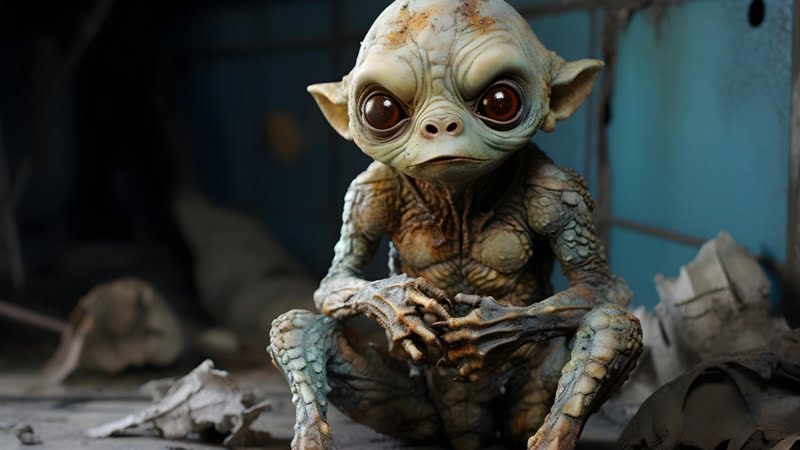
Surreal Creatures are beings that transcend the boundaries of reality, blending the fantastic with the uncanny. Found in mythologies, legends, and even modern interpretations, these creatures are often symbolic, representing fears, desires, or unexplained forces in the natural world. Below are five unique titles exploring different aspects of surreal creatures, each with three subtopics that dive into their origins, symbolism, and influence on culture.
1. The Shape-Shifters: Masters of Duality
a) The Werewolf: Between Man and Beast
The werewolf, a creature cursed to transform into a wolf under the full moon, represents the duality of human nature. It embodies the struggle between civilized control and primal instincts. Often seen as a symbol of the uncontrollable inner beast, the werewolf taps into the fear of losing control and becoming something monstrous.
b) The Selkie: Seals of the Sea and Shore
In Celtic folklore, the Selkie is a mythical being that can change from seal to human by shedding its skin. Selkies are both mysterious and tragic, torn between two worlds—one beneath the sea and one on land. They symbolize the theme of transformation and the emotional conflict between freedom and love.
c) The Naga: Serpent Deities of Transformation
In Hindu and Buddhist mythology, Nagas are serpentine beings with the ability to shift between human and snake forms. Revered as protectors and water deities, they represent both fertility and danger, embodying the balance between creation and destruction. Their shape-shifting powers symbolize the fluidity of life and the connection between different realms.
2. The Guardians of the Threshold: Protectors of the Unknown
a) The Sphinx: Keeper of Riddles
A fusion of human, lion, and bird, the Sphinx is a guardian of sacred knowledge in both Egyptian and Greek mythology. The creature’s enigmatic nature and role as the keeper of riddles symbolize the mystery of the unknown, challenging those who seek wisdom. As a threshold guardian, the Sphinx represents the liminal space between ignorance and enlightenment.
b) The Cerberus: Three-Headed Sentinel of the Underworld
The monstrous, three-headed dog known as Cerberus guards the entrance to the Greek underworld, ensuring that no soul escapes. It symbolizes the finality of death and the fear of the unknown that lies beyond the mortal world. As a guardian of the threshold between life and death, Cerberus embodies the concept of inevitability and protection from the chaotic forces of the afterlife.
c) The Griffin: Majestic Protector of Treasures
A hybrid of lion and eagle, the Griffin is a mythological guardian of precious treasures, often depicted protecting gold or sacred relics. It represents courage, strength, and vigilance, symbolizing the idea that great wealth or knowledge is often guarded by formidable forces that require bravery to confront.
3. The Dreamweavers: Creatures Born from Fantasy and Fear
a) The Baku: Devourer of Nightmares
In Japanese mythology, the Baku is a surreal creature that feeds on dreams, particularly nightmares. People call upon the Baku to consume bad dreams and grant peace of mind. Its existence as a dream-eater reflects the human desire to rid themselves of fears and anxieties that manifest during sleep, acting as a symbol of mental clarity and peace.
b) The Wendigo: Manifestation of Insatiable Hunger
A terrifying spirit from Algonquian folklore, the Wendigo is a creature born from greed and cannibalism. It represents the fear of excess, unchecked consumption, and the consequences of losing one’s humanity to insatiable hunger. The Wendigo’s surreal and grotesque appearance mirrors the internal corruption that leads to its creation.
c) The Sandman: Weaver of Sleep and Imagination
The Sandman is a benevolent figure in European folklore who sprinkles sand into the eyes of sleepers to bring them pleasant dreams. However, in modern reinterpretations, the Sandman has taken on more surreal and sometimes sinister aspects, representing the delicate balance between dreams and nightmares, fantasy and reality.
4. The Elemental Beings: Embodiments of Nature’s Power
a) The Phoenix: Symbol of Rebirth and Fire
The Phoenix is a mythical bird that dies in flames and is reborn from its ashes. Representing the cycle of life, death, and rebirth, the Phoenix embodies the transformative power of fire. Its eternal renewal serves as a symbol of resilience and the enduring force of nature, transcending both physical and spiritual boundaries.
b) The Undine: Water Spirits of Emotion
Undines, or water nymphs, are elemental beings associated with the natural flow of water. They symbolize emotions, particularly those related to love and passion. In folklore, undines often fall in love with mortals, reflecting the fluid and sometimes dangerous nature of human emotions, just as water can be both life-giving and destructive.
c) The Golem: Earth’s Silent Protector
From Jewish folklore, the Golem is a creature made from clay or mud, brought to life through mystical means to protect the community. It symbolizes the raw power of the earth and humanity’s connection to it. The Golem also raises questions about control, responsibility, and the consequences of unleashing forces beyond human understanding.
5. The Cosmic Wanderers: Travelers from the Beyond
a) The Cthulhu: Alien God of Chaos
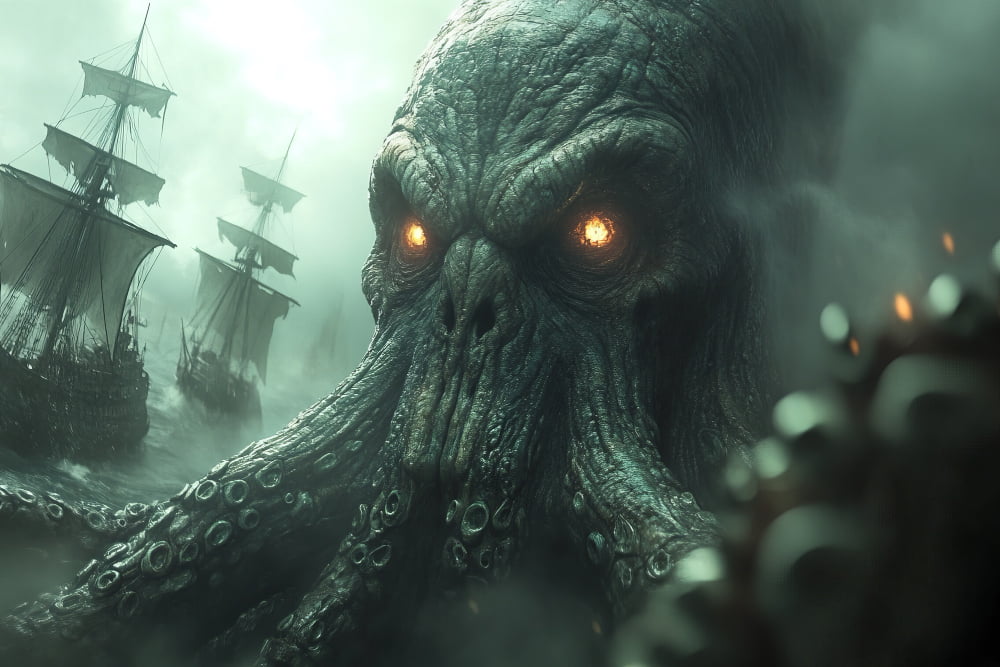
Created by H.P. Lovecraft, Cthulhu is a surreal, tentacled entity from the depths of the cosmos. It symbolizes the insignificance of humanity in the face of the vast, incomprehensible universe. As a creature from beyond the stars, Cthulhu represents the fear of the unknown and the chaotic forces that lie just beyond the reach of human understanding.
b) The Mothman: Harbinger of Doom
The Mothman, a cryptid from American folklore, is often associated with tragic events, appearing as an omen before disaster strikes. Its otherworldly appearance—a mix of human and moth—gives it a surreal presence, while its connection to calamity has led it to symbolize impending doom, warning of the forces beyond human control.
c) The Yith: Time-Traveling Mind Swappers
Another creation from the Lovecraft mythos, the Yith are a race of highly intelligent beings capable of swapping consciousness with other creatures across time and space. Their surreal ability to travel through time and inhabit other beings highlights the fragility of identity and the strange, interconnected nature of existence.